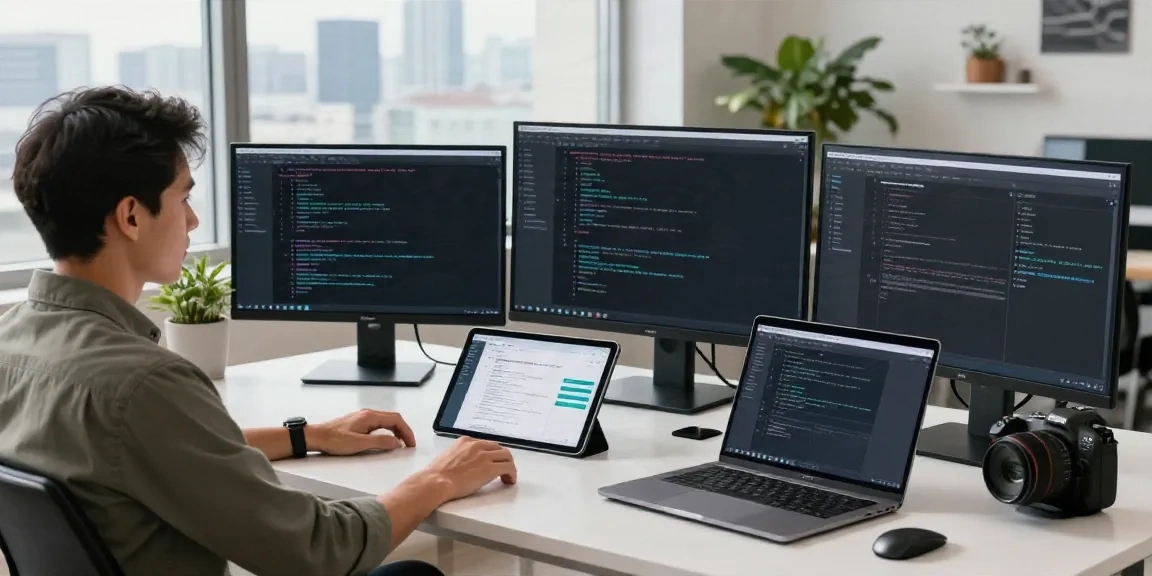
Understanding the Importance of Collaborative Coding
In today's fast-paced software development landscape, the ability to collaborate effectively is crucial for success. Collaborative coding is not just a fad; it is the cornerstone of modern programming practices. With teams often spread across various geographical locations, fostering an environment where developers can work together seamlessly has become essential. As we dive deeper into the nuances of collaborative coding, we will explore the concept, its myriad benefits, and the common obstacles teams face. For further insights on enhancing your collaborative efforts, visit https://jago108.com/.
What is Collaborative Coding?
Collaborative coding refers to the practice where multiple developers work together on the same codebase, often using tools and platforms designed to facilitate real-time collaboration. This method allows for simultaneous contributions, fosters creativity, and enhances problem-solving capabilities. With the advent of cloud-based development environments and tools that support version control, collaborative coding has transformed how teams interact, regardless of their physical locations.
Benefits for Software Development Teams
The benefits of collaborative coding are extensive and manifold. Here are a few key advantages:
- Increased Productivity: Teams can complete projects faster as tasks are divided among multiple contributors, allowing for parallel development.
- Enhanced Code Quality: With more eyes on the code, potential bugs are often identified and fixed early in the development phase.
- Knowledge Sharing: Collaborative environments encourage sharing of ideas and best practices, which enriches team knowledge and skill sets.
- Improved Morale: Working collaboratively fosters a sense of community and teamwork, which can drastically improve job satisfaction.
Common Challenges in Collaborative Environments
While collaborative coding offers numerous benefits, it also presents several challenges:
- Communication Barriers: Different time zones and work schedules may lead to miscommunications.
- Version Control Issues: Without proper version control practices, code conflicts can arise, leading to frustration and wasted time.
- Dependency Management: Coordinating dependencies across multiple contributors can complicate the development process.
Key Tools for Effective Collaboration
Popular Collaborative Coding Platforms
Choosing the right tools is essential for successful collaborative coding. Some popular platforms include:
- GitHub: A leading platform for version control using Git, GitHub enables collaborative coding through features like pull requests and code reviews.
- GitLab: An integrated software development platform, GitLab provides a full DevOps lifecycle including CI/CD tools.
- Bitbucket: Ideal for teams that use Atlassian products, Bitbucket offers version control and collaboration features suited for agile teams.
Integrating Useful Third-Party Tools
To augment the functionality of core collaborative tools, many teams integrate third-party applications:
- Slack: This messaging platform enables real-time communication and can be integrated with repositories for instant notifications.
- Trello: A project management tool that helps teams track progress and assign tasks within collaborative projects.
- Jira: Essential for teams practicing Agile methodologies, Jira aids in tracking issues and managing project workflows effectively.
Best Practices for Setup and Configuration
To optimize collaborative coding environments, adhere to these best practices:
- Establish Clear Guidelines: Define coding standards and conventions to ensure consistency.
- Regular Code Reviews: Foster a culture of review that encourages constructive feedback among team members.
- Automate Workflows: Use CI/CD to automate testing and deployment, enhancing speed and reliability.
Strategies for Enhancing Team Communication
Establishing Clear Protocols
Effective communication is the backbone of any collaborative effort. Establishing clear communication protocols can mitigate misunderstandings and streamline processes. Ensure that all team members are aware of communication channels and expected response times.
The Role of Regular Meetings
Regular meetings, whether daily stand-ups or weekly sprint reviews, help keep everyone aligned on goals and progress. These sessions can serve to address any immediate issues and facilitate open dialogue among team members.
Utilizing Feedback Mechanisms
Creating avenues for feedback is vital for continuous improvement. Encourage team members to voice their concerns or suggestions both formally and informally. Implementing a system for constructive criticism can significantly enhance team dynamics.
Real-World Applications and Case Studies
Success Stories from Tech Companies
Many organizations have implemented collaborative coding to great effect. For example, Microsoft pioneered collaborative coding with its Visual Studio Live Share tool, which allows developers to share their coding sessions instantly. This innovation has led to increased efficiency and creativity among teams.
Lessons Learned from Failed Collaborations
On the flip side, there are numerous cautionary tales of failed collaborations due to lack of communication, unclear objectives, or inadequate tools. For instance, a prominent startup faced major setbacks when their team adopted a new coding platform without sufficient training, leading to delays and frustration among developers.
Future Trends in Collaborative Coding
As we look towards 2026 and beyond, several trends are likely to shape collaborative coding:
- Increased Use of AI: AI-powered tools will assist in code suggestions and debugging, enhancing developer productivity.
- Decentralized Collaboration: With more remote teams emerging, decentralized platforms that support collaborative coding across geographies will become more prevalent.
- Emphasis on Security: As collaboration increases, so does the need for robust security measures to protect proprietary code and data.
Measuring Success and Performance
Key Performance Indicators (KPIs)
To evaluate the effectiveness of collaborative coding, it is important to track specific KPIs, such as:
- Code Quality Metrics: Number of bugs reported post-deployment.
- Velocity: The amount of work completed in a given timeframe.
- Team Satisfaction: Regular surveys to assess team morale and engagement levels.
Iterative Improvement Processes
Implementing iterative improvement processes allows teams to reflect on their practices regularly. Tools like retrospectives help teams identify what worked, what didn’t, and how to make necessary changes for future projects.
Projected Trends for 2026 and Beyond
With rapid advancements in technology, we expect the landscape of collaborative coding to evolve significantly. Trends such as increased integration of VR/AR for virtual collaboration and more emphasis on diverse and inclusive team structures will shape future practices.
What are the benefits of using collaborative coding tools?
Collaborative coding tools enhance productivity, improve code quality, foster knowledge sharing, and boost team morale. These tools facilitate seamless collaboration, enabling developers to work together effectively regardless of their locations.
How can teams overcome common challenges in coding collaboration?
To tackle challenges in coding collaboration, teams can establish clear communication protocols, utilize version control systems, and ensure regular check-ins to address issues promptly. Providing comprehensive training on tools can also mitigate misunderstandings and conflicts.
What are the best tools for collaborative coding?
Some of the leading tools for collaborative coding include GitHub, GitLab, and Bitbucket, which offer robust features for version control and team collaboration. Integrating communication tools like Slack and project management tools like Trello further enhances collaborative efforts.
How do I measure the success of my collaborative coding efforts?
Success can be measured using KPIs such as code quality metrics, delivery velocity, and team satisfaction ratings. Regular retrospectives can also provide valuable insights into the effectiveness of collaborative practices.
What trends should we expect in coding collaboration for 2026?
Expect a rise in AI-driven tools, decentralized collaboration, and heightened security protocols in collaborative coding. Companies will increasingly adopt innovative technologies to enhance collaboration and streamline the development process.