Understanding Above-Ground Storage Tank Design
Above-ground storage tanks (ASTs) have become increasingly essential in various industries for the safe storage of liquids, which include oils, chemicals, and water. The design of these tanks plays a crucial role in ensuring safety, compliance with regulations, and environmental sustainability. Properly designed tanks can mitigate risks associated with spills and leaks while providing efficiency in storage capacity. This guide explores the fundamentals of Above-Ground Storage Tank Design, highlighting its essential components, applications, regulatory standards, best practices, and future trends.
What is Above-Ground Storage Tank Design?
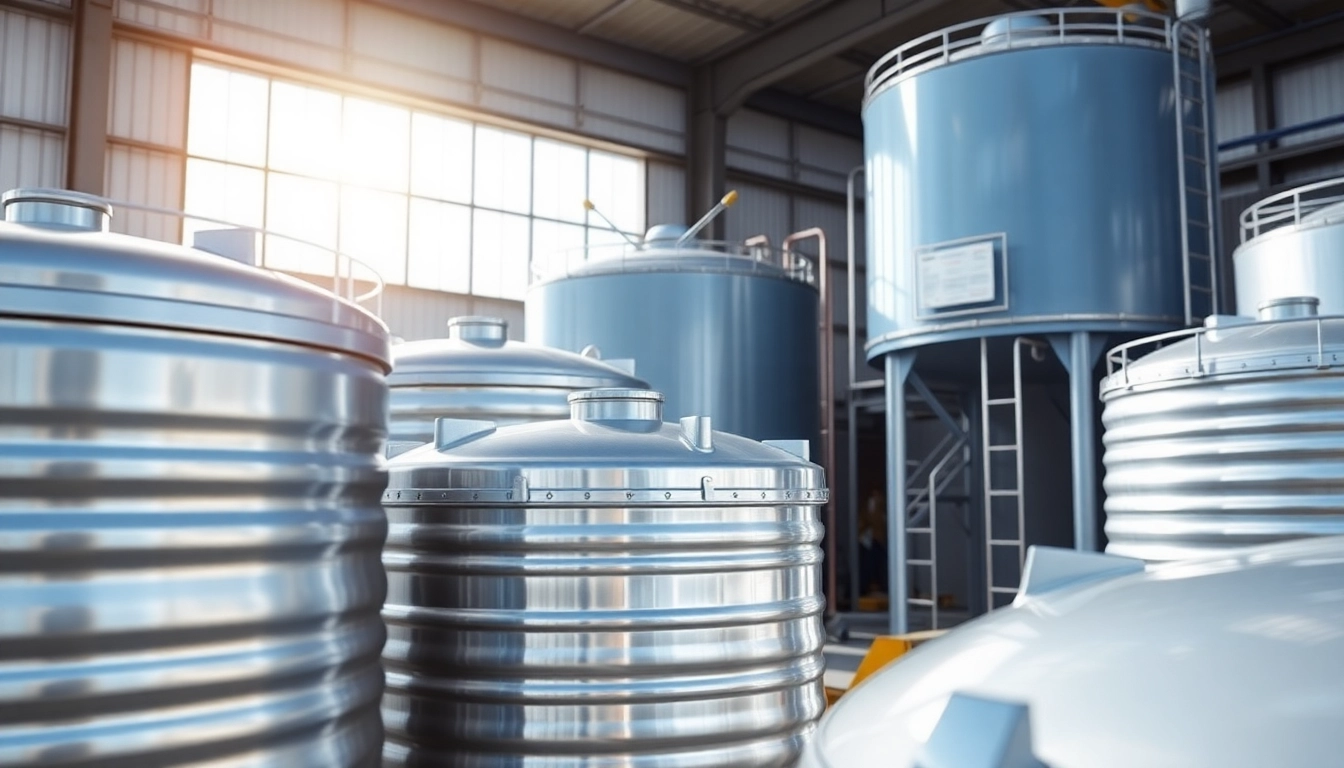
Above-ground storage tank design refers to the engineering and architectural planning involved in creating tanks that store liquids above the ground surface. Unlike underground storage tanks, ASTs are visible and accessible, making their design critical for safety and function. Proper design includes factors such as tank shape, material selection, structural integrity, and additional safety features like secondary containment and spill prevention systems. A well-planned design not only enhances storage capacity but also reduces operational risks associated with leakage and contamination.
Key Components of Effective Tank Design
Effective above-ground storage tank design includes several key components:
- Tank Configuration: Tanks are typically cylindrical, though rectangular designs are also common for specific applications. The configuration should optimize both storage capacity and structural stability.
- Materials: Materials used in tank construction include steel, fiberglass, and polyethylene. The choice depends on the type of liquids stored and environmental conditions.
- Foundation and Support Systems: A strong foundation is critical for safety and stability. Various support systems, such as legs or frames, help distribute the tank's weight.
- Ventilation Systems: Proper ventilation is needed to manage pressure changes and prevent the buildup of hazardous gases.
- Safety Features: Including features like pressure relief valves and spill containment systems minimizes risks during operation.
Common Applications for Above-Ground Storage Tanks
Above-ground storage tanks are utilized in numerous applications across various industries:
- Oil and Gas: ASTs are pivotal in storing crude oil, fuels, and other petroleum products.
- Chemical Processing: Industries often rely on ASTs for storing corrosive or hazardous chemicals.
- Agriculture: Farmers use ASTs to store fertilizers, pesticides, and other agricultural chemicals safely.
- Water Storage: Municipalities and industries utilize ASTs for the storage of drinking water and process water.
- Fire Protection Systems: ASTs are part of fire suppression strategies, storing water or foam agents to combat fires.
Regulatory Standards for Above-Ground Storage Tank Design
Overview of Regulatory Agencies and Their Guidelines
The design of above-ground storage tanks must comply with strict guidelines set forth by various regulatory agencies to promote safety and environmental protection. In the United States, the Environmental Protection Agency (EPA) oversees regulations regarding the proper construction, operation, and maintenance of ASTs. Other relevant agencies include the Occupational Safety and Health Administration (OSHA) and local fire safety authorities.
Key Regulations Impacting Design Criteria
Key regulations affecting AST design include:
- Spill Prevention, Control, and Countermeasure (SPCC): Designed to prevent oil spills into navigable waters and adjoining shorelines.
- Resource Conservation and Recovery Act (RCRA): Outlines hazardous waste management standards that impacts tank design if hazardous materials are stored.
- API Standards: The American Petroleum Institute (API) provides standards such as API 650 and API 620 that detail requirements for tank design and construction.
Compliance Challenges Faced by Designers
Designers often face compliance challenges, including keeping up with changing regulations, ensuring construction materials meet environmental standards, and implementing safety features effectively. Navigating the required documentation can also complicate project timelines. Regular audits and keeping abreast of new regulations are critical in overcoming these challenges.
Best Practices in Above-Ground Storage Tank Design
Design Considerations for Safety and Efficiency
To enhance both safety and efficiency in AST design, consider the following best practices:
- Perform Risk Assessments: Conduct thorough evaluations of potential risks related to leaks and spills during the design phase.
- Use Fail-Safe Mechanisms: Incorporate technologies like automatic shut-off valves and leak detection systems to preemptively address issues.
- Optimize Layout: Ensure adequate spacing between tanks and infrastructure to allow for emergency access and maintenance.
Materials Selection for Durability
Selecting the right materials is critical for the longevity and safety of ASTs. Different materials have varying resistances to corrosion, thermal expansion, and chemical interactions:
- Steel: Commonly used, especially for petroleum products, steel tanks must be coated to resist corrosion.
- Fiberglass: Great for chemicals and liquids with corrosive properties; they offer good strength and resistance.
- Polyethylene: Lightweight and resistant to chemicals, polyethylene tanks are suitable for non-hazardous materials.
Technological Innovations in Tank Design
Advancements in technology are transforming AST design. Key innovations include:
- Smart Monitoring Systems: Remote sensing technologies enable real-time monitoring of tank levels, pressures, and potential leaks.
- Advanced Materials: Development of new alloys and composites enhances tank durability and reduces maintenance requirements.
- Automated Distribution Systems: Improved efficiency in filling and dispensing processes reduces human error and spillage.
Environmental Considerations in Tank Design
Impact of Above-Ground Storage Tanks on Sustainability
The design of ASTs significantly impacts environmental sustainability. Sustainable practices include:
- Utilizing Recyclable Materials: Opt for construction materials that can be recycled or repurposed.
- Incorporating Green Technologies: Use renewable energy sources for monitoring systems and pumps to reduce carbon footprints.
Preventive Measures for Environmental Protection
To minimize environmental risks associated with ASTs:
- Regular Inspections: Conduct frequent checks for leaks, corrosion, and structural integrity.
- Secondary Containment: Design tanks with secondary containment systems, such as dikes or spill pans, to catch leaks.
- Spill Response Plans: Establish and train personnel on emergency spill response protocols to mitigate environmental impact.
Case Studies of Successful Eco-Friendly Designs
Several case studies highlight successful eco-friendly designs in ASTs. For example, a municipal water authority implemented modular AST systems that integrate rainwater harvesting, drastically reducing reliance on external water sources. The tanks are fabricated from 100% recyclable materials, demonstrating a commitment to sustainability while meeting local regulations.
Future Trends in Above-Ground Storage Tank Design
Emerging Technologies Shaping the Future
The future of AST design will be shaped by numerous emerging technologies. These include:
- Blockchain for Provenance Tracking: Utilizing blockchain technology allows for transparent tracking of materials, refining processes, and environmental impacts, enhancing trust and compliance.
- Artificial Intelligence: AI-driven analytics can optimize tank operations, predict maintenance needs, and improve safety measures.
Investor Perspectives on Tank Design Innovations
Investors are increasingly interested in innovative tank designs that promise efficiency and safety. They seek solutions that integrate environmental protection, operational efficiency, and cost-effectiveness, driving a trend towards better-designed ASTs that fulfill these criteria.
Preparing for Regulatory Changes and Industry Evolution
With frequent regulatory updates, AST designers must remain proactive by staying informed about policy changes and evolving industry standards. Cross-industry collaborations can help develop shared resources and techniques to meet impending regulatory challenges effectively.
FAQs About Above-Ground Storage Tank Design
1. What are the common uses of above-ground storage tanks?
ASTs are commonly used to store oil, chemicals, water, and other liquids in various industries, including agriculture, energy, and manufacturing.
2. What regulations govern the design of above-ground storage tanks?
Regulations from agencies like the EPA and OSHA outline standards for the construction, operation, and safety of above-ground storage tanks.
3. How often should above-ground storage tanks be inspected?
ASTs should undergo inspections at least annually and more frequently if they store hazardous materials or face adverse environmental conditions.
4. What materials are recommended for constructing above-ground storage tanks?
Steel, fiberglass, and polyethylene are common materials, with the choice depending on the stored liquids and environmental conditions.
5. How can above-ground storage tanks impact the environment?
ASTs can impact the environment through potential spills and harms to local ecosystems if not properly designed, maintained, and monitored.