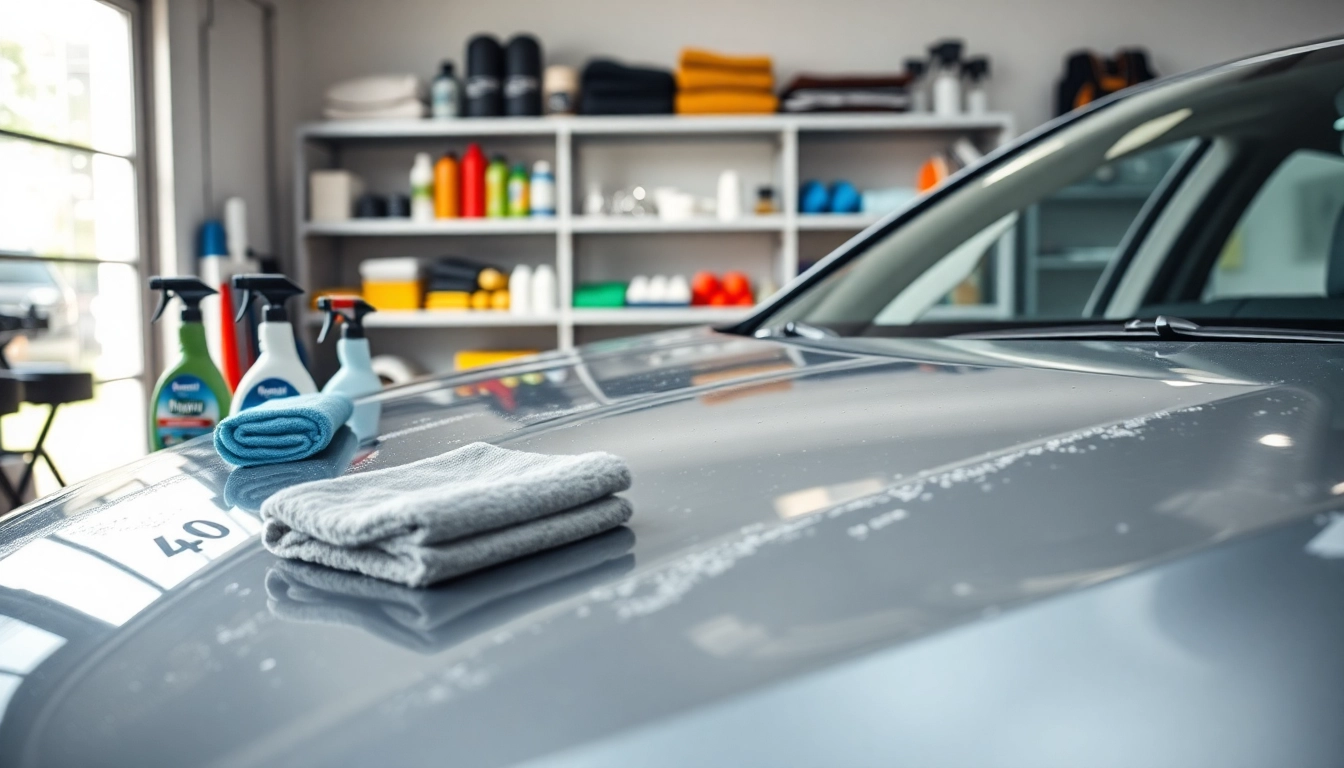
Introduction to Car Detailing at Home
Car detailing is more than just a routine wash; it's a meticulous process aimed at restoring and rejuvenating your vehicle’s appearance, both inside and out. Whether you own a classic, a sedan, or an SUV, the skills and techniques for detailing can elevate your car’s aesthetics significantly. If you're looking for ways to tackle this task yourself, you've come to the right place. In this comprehensive guide, we'll explain how to detail a car at home, exploring the necessary tools, techniques, and preparations needed to achieve professional results without leaving your driveway.
What Is Car Detailing?
Car detailing refers to the thorough cleaning, restoration, and finishing of both the exterior and interior of a vehicle. Unlike a simple car wash, detailing encompasses detailing procedures such as claying, polishing, and applying sealants to protect the car’s surfaces. Each area, from glossy paint to fabric upholstery, is treated with the care and attention it deserves to enhance the vehicle's longevity and aesthetics.
Benefits of Detailing Your Car at Home
- Cost-Effective: DIY detailing saves you money compared to professional services.
- Personal Satisfaction: Completing the job yourself can provide a great sense of accomplishment.
- Control over Quality: You have full control over the products and methods used.
- Convenience: You can detail your car on your schedule, in your own space.
- Environmental Considerations: You can opt for eco-friendly products and techniques.
Essential Tools and Supplies
Before embarking on your car detailing journey, assembling the right tools and supplies is crucial. Here’s a comprehensive list to help you get started:
- Car wash soap
- Two buckets (one for soapy water, one for rinsing)
- Microfiber wash mitt and cloths
- Vacuum cleaner with attachments
- Detailing brushes
- Car wax or sealant
- Glass cleaner
- Leather conditioner (if you have leather seats)
- Clay bar kit for removing impurities
Preparation for Detailing
Gathering Your Supplies
Before you start, double-check that you have all the necessary supplies listed above. Buying quality products will yield better results and protect your vehicle’s surfaces. Avoid using household cleaning products that can harm the car's finish.
Choosing the Right Location
Selecting the right environment is key to detailing your car effectively. Ideally, you want a shaded area to avoid direct sunlight, which can cause cleaning products to dry too quickly and leave streaks. A well-ventilated garage or a shaded driveway works well.
Understanding Your Vehicle's Needs
Each vehicle has different detailing requirements based on its condition, type of paint, and interior materials. Take a moment to inspect your car closely, noting the areas that require special attention, such as stains on upholstery or scratches on the paint.
Step-by-Step Guide on How to Detail a Car at Home
Exterior Detailing Procedures
- Washing the Car: Use the two-bucket method: one for soapy water and one for rinsing. This prevents dirt from contaminating your wash mitt.
- Claying: Use a clay bar after washing to remove embedded contaminants. Spray a clay lube and glide the bar over the surface. Rinse afterward.
- Polishing: Use a dual-action polisher or apply polish by hand to eliminate scratches and restore shine.
- Waxing: Apply wax or sealant to protect the paint. Use a foam applicator and follow up with a microfiber towel for buffing.
- Cleaning Wheels and Tires: Use a dedicated wheel cleaner and a tire brush to scrub tires and rims.
Interior Cleaning Techniques
- Remove All Items: Clear out any personal items, mats, and garbage from inside the car.
- Vacuuming: Thoroughly vacuum the seats, carpets, and any crevices. Use attachments to reach under the seats and between cushions.
- Cleaning Surfaces: Use an interior cleaner for hard surfaces like the dashboard, consoles, and door panels. For leather, apply a dedicated cleaner followed by a conditioner.
- Windows: Clean all glass surfaces with an ammonia-free glass cleaner for a streak-free finish.
- Re-install Floor Mats: Don’t forget to clean or replace worn mats for a polished look.
Finishing Touches for a Professional Look
Now that the major cleaning tasks are done, add finishing touches. Polish door jambs, clean air vents, and make sure all surfaces are wiped of dust. Completing these small details makes a big difference in the overall impression of your vehicle.
Common Mistakes to Avoid
Using Incorrect Products
Many car owners make the mistake of using general household cleaners that can damage the delicate finishes of car surfaces. Always use products specifically designed for automotive use to maintain your car's integrity.
Poor Techniques That Can Damage Surfaces
Using the wrong washing techniques, such as scrubbing in a circular motion, can lead to swirl marks. Always wash using straight lines or sections to minimize potential scratching.
Skipping Essential Steps
In a rush to finish detailing, some might skip crucial steps like claying or waxing. These foundational processes significantly enhance the final appearance and protection of your vehicle.
FAQs on Car Detailing at Home
What is the best way to wash a car securely?
Use the two-bucket method to wash your car. One bucket should contain soapy water, and the other should have clean water for rinsing your wash mitt. Clean one section at a time and dry promptly with microfiber towels.
How often should I detail my car?
Ideally, you should detail your car every 4-6 months. However, if you drive often or in harsh conditions, you may want to do it more frequently to maintain the vehicle's aesthetic and protection.
Can I use household products for detailing?
It's not advisable to use household products as they can damage automotive finishes. Always use products designed for automobile detailing to keep surfaces protected and maintain their integrity.
How long does a full detailing take?
A full detailing can take anywhere from 3 to 6 hours, depending on the size of the vehicle and the level of detail being applied. Proper preparation and a steady pace can help manage this time effectively.
What should I avoid when detailing?
Avoid using dirty tools, skip rushing through steps, and don't use the wrong products. Each step is crucial to achieving a successful detailing outcome, so take your time to do it right.