Understanding Duct Leakage Test
What is a Duct Leakage Test?
A Duct leakage test is a diagnostic process that measures the air-tightness of ductwork within HVAC systems. This test is crucial to determine the extent to which ducts are leaking air, which can significantly impact the efficiency of heating and cooling systems. In essence, it helps identify any gaps or holes in the duct system that could be allowing conditioned air to escape, rendering HVAC units less effective.
Importance of Duct Leakage Testing
Duct leakage testing plays a vital role in ensuring energy efficiency and comfort in residential and commercial spaces. The significance of this testing extends beyond energy costs; it influences environmental impacts, indoor air quality, and overall system performance. By identifying leaks, building owners can address issues that waste energy and compromise environmental comfort.
How Duct Leakage Affects Energy Consumption
When duct systems leak, a significant amount of energy is lost, forcing the HVAC systems to work harder to maintain desired temperatures. This excess energy consumption not only raises utility bills but also increases the wear and tear on equipment, leading to more frequent repairs and replacements. Duct leakage can lead to over 30% loss in energy efficiency in some systems, illustrating the importance of regular testing and maintenance.
Duct Leakage Test Procedures
Step-by-Step Testing Process
The duct leakage testing process typically follows a systematic approach:
- Preparation: Ensure that all registers and grills are sealed.
- Pressure Testing: Use a fan to create a pressure difference between the inside and outside of the duct system, generally around 25 Pascals.
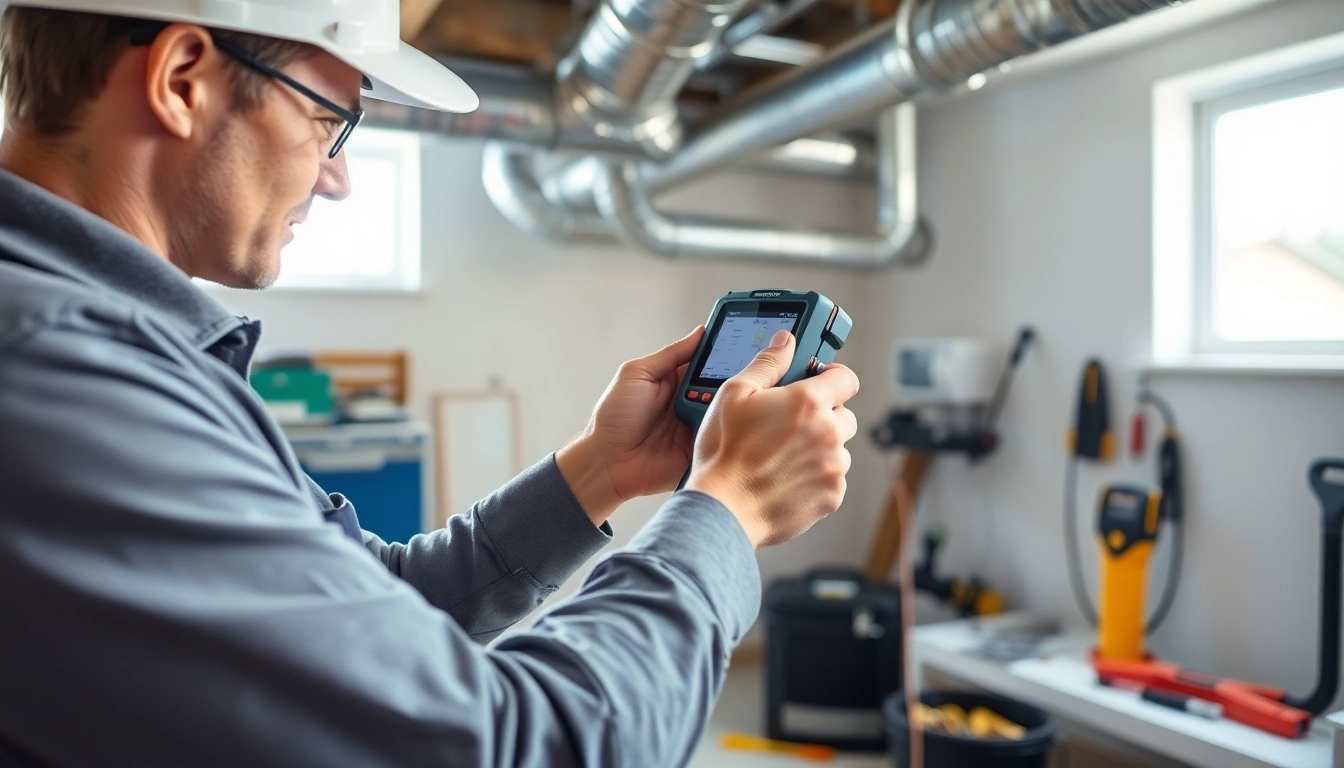
- Measurement: Using specialized instruments, measure the rate at which air escapes from the duct system.
- Analysis: Calculate the leakage in terms of cubic feet per minute (CFM) and determine compliance with local codes.
- Reporting: Document the findings and provide recommendations for repairs or improvements if necessary.
Tools Required for Duct Leakage Testing
To perform a duct leakage test effectively, specific tools are required:
- Blower Door Test Equipment: This is essential for creating a pressure difference.
- Manometers: To measure pressure readings accurately.
- Airflow Measurement Devices: To quantify the amount of air leaving the ducts.
- Thermal Imaging Camera: Useful for identifying hot and cold spots indicating leaks.
Common Challenges During Testing
While performing duct leakage tests, technicians may encounter various challenges, including:
- Obstruction in Ducts: Debris or insulation obstructing access for testing equipment.
- Complex Ductwork Layouts: Complicated designs can complicate the testing process.
- Inconsistent Temperatures: External weather conditions can affect internal pressure readings.
Overcoming these challenges often requires thorough preparation, potentially modifying approaches based on the specific circumstances of each building.
Benefits of Regular Duct Leakage Testing
Energy Efficiency Improvements
Regular duct leakage testing leads to marked improvements in energy efficiency. By sealing leaks and ensuring that the ducts are functioning properly, homeowners can see a significant reduction in energy costs, which can lead to savings that accumulate over time. The investment in testing and repairs typically pays for itself within a year or two through lowered utility bills.
Improved Indoor Air Quality
Leaky ducts not only waste energy but can also compromise indoor air quality. Contaminants and pollutants from unconditioned spaces can enter the ducts and be circulated into living areas. Routine testing helps identify leaks that could allow these airborne pollutants to infiltrate home environments, ensuring cleaner air and better health for occupants.
Cost Savings Over Time
Investing in duct leakage tests can yield substantial cost benefits. Not only do they help avoid the costs associated with inefficient HVAC systems, but they can also prevent larger expenditures associated with emergency repairs and premature system replacements. Furthermore, many regions offer financial incentives or rebates for HVAC efficiency improvements, making testing an economically savvy decision.
Common Questions About Duct Leakage Tests
FAQs and Answers on Duct Leakage Testing
What is the typical cost of a duct leakage test?
The cost can vary widely depending on the specialist and location but often ranges from $200 to $500. Many local utility companies also offer rebates, which can reduce this cost.
How often should duct leakage tests be conducted?
It's advisable to conduct a duct leakage test at least every few years, especially after major HVAC work or renovations, to ensure continued efficiency.
Can I perform a duct leakage test myself?
While DIY methods exist, professional testing is recommended as it ensures accuracy and compliance with local regulations.
What are the signs of duct leakage?
Common signs include uneven heating or cooling, higher than average energy bills, and dust accumulation around vents. These indicators suggest that a leakage problem may exist.
Are there any specific standards for duct leakage testing?
Yes, many building codes and energy standards provide guidelines for duct tightness, with strict requirements often specified in the IECC (International Energy Conservation Code).
Identifying Signs of Leakage
Recognizing the signs of duct leakage is critical in maintaining an efficient HVAC system. Indicators include:
- Inconsistent temperatures throughout the space.
- High energy bills that don’t correlate with usage changes.
- Difficulty maintaining desired temperature settings.
- Unusual noise from the ductwork.
These signs often warrant a professional duct leakage test to ascertain the integrity of the system.
When to Schedule a Duct Leakage Test
Several circumstances may necessitate scheduling a duct leakage test:
- When installing or replacing HVAC systems.
- After significant renovations that may affect ductwork.
- During energy audits for homes seeking efficiency certifications.
Regularly scheduled tests can help maintain system performance and longevity.
Advanced Techniques and Technologies in Duct Leakage Testing
The Role of Blower Door Testing
Blower door testing is a common methodology used in duct leakage tests. By pressurizing a home (or duct system), technicians can find leaks through pressure differentials, making it easier to detect where air is escaping. This technique provides detailed data on leakage rates, guiding effective remediation strategies.
Integration of Smart Technology in Testing
Innovative smart technologies, such as IoT-enabled sensors, are becoming integral in duct leakage testing. These devices can continuously monitor and report on air pressure and flow, providing real-time feedback about system performance. This proactive approach helps in timely maintenance, often before significant issues arise.
Future Trends in Duct Leakage Testing
The future of duct leakage testing leans towards greater integration of automation and data analytics. Enhanced software will allow for more sophisticated simulations of airflow dynamics, ultimately leading to improved sealing methods and energy conservation practices. As technology evolves, efficiencies in testing will also likely improve, enabling more frequent assessments.