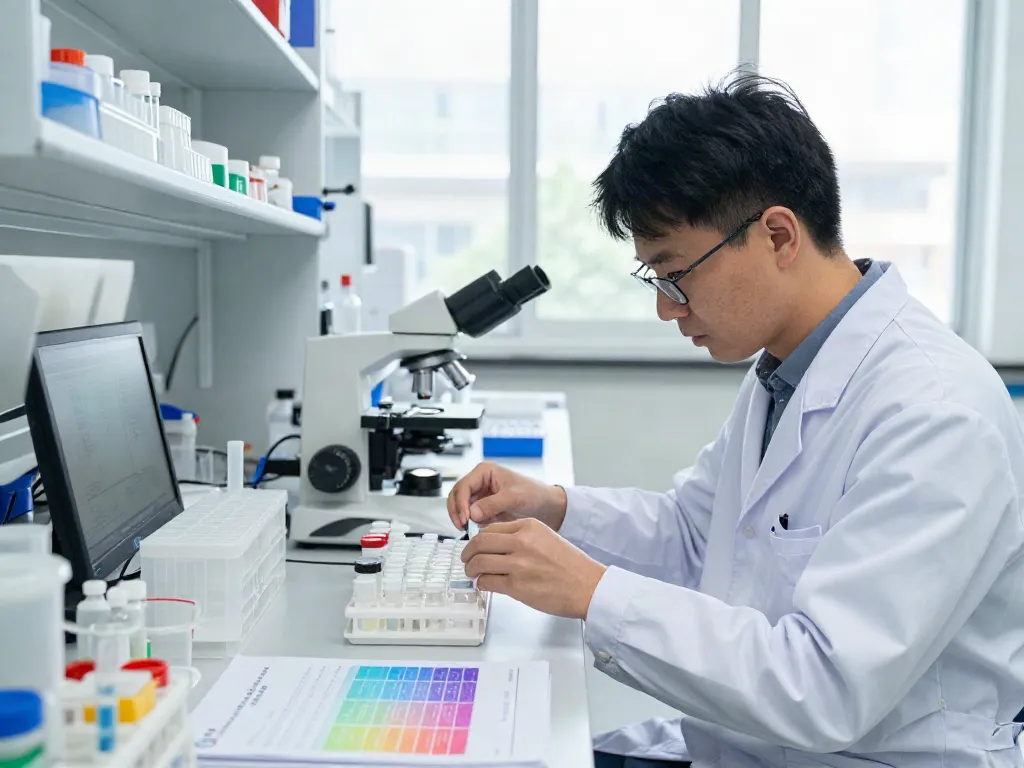
Understanding the Importance of Peptide Vial Storage Racks
Proper storage of peptide vials is crucial for maintaining their integrity, efficacy, and longevity. With peptides being sensitive to environmental factors such as temperature and light, the choice of storage solutions can significantly impact their stability. Investing in a reliable peptide vial storage rack is essential for laboratories and research facilities looking to ensure that their materials remain usable for as long as possible. Not only do these racks help organize vials efficiently, but they also protect them from potential damage during handling and storage.
Why Proper Storage Matters for Peptides
Peptides, being biological molecules, can degrade when exposed to unfavorable conditions. This degradation could lead to decreased potency, altered effects, or complete loss of function. For researchers and medical professionals who rely on these compounds, understanding the impact of storage conditions is paramount. Factors such as temperature fluctuations, exposure to UV light, and even the materials of the vial itself can affect peptide stability. Using a properly designed storage rack can mitigate many of these risks.
Common Materials Used in Peptide Vial Racks
Peptide vial storage racks can be made from various materials, each offering unique benefits. Common materials include:
- Polypropylene: Durable and resistant to chemical exposure. Ideal for lab environments.
- Polycarbonate: Shatter-resistant and provides clarity for easy visualization of contents.
- Aluminum: Lightweight and excellent for maintaining temperature control.
- Stainless Steel: Highly durable and resistant to corrosion, making it suitable for long-term use.
Choosing the Right Size and Configuration
When selecting a peptide vial storage rack, consider the size and layout of your vials. Racks come in various configurations; some hold multiple vials in a compact setup, while others offer individual slots for larger vials. Evaluate your storage needs based on the volume of vials you handle regularly and the space available in your facility. A well-chosen storage solution will optimize both accessibility and organization.
Common Issues with Peptide Vial Storage Racks
Identifying Storage Rack Deficiencies
Even the best storage racks can have deficiencies that impact their effectiveness. Some common issues include:
- Poor temperature control due to inadequate insulation.
- Limited capacity leading to overcrowding, which risks breakage.
- Lack of labeling options, making it difficult to identify contents quickly.
Identifying these deficiencies early can save time and resources, ensuring that your peptides remain secure and well-preserved.
Impact of Environmental Factors on Storage
Environmental factors such as humidity, temperature, and exposure to light can dramatically affect peptide stability. For example, elevated temperatures can accelerate degradation, while high humidity levels can lead to the deterioration of the vials themselves. Ensuring that your storage solutions are equipped to handle these conditions is critical for maintaining the quality of your samples.
Addressing Labeling Problems Effectively
Labeling is a key aspect of effectively managing peptide storage. Without proper labels, researchers may struggle to identify which vials are which, leading to potential mix-ups. Implementing a standardized labeling protocol can help alleviate these issues, allowing for better tracking and management of vials in storage.
Best Practices for Organizing Peptide Vials
Using Color-Coding Strategies for Quick Access
Color-coding can be an effective organizational strategy when dealing with peptide vials. By assigning different colors to various categories, such as type, concentration, or expiration date, researchers can quickly identify what they need without sifting through multiple vials. This method enhances efficiency and reduces the potential for errors.
Implementing a FIFO System for Peptide Management
A FIFO (First In, First Out) system is another best practice that ensures older vials are used before newer ones. This approach is particularly important for peptides with expiration dates, as it helps to minimize waste and ensures that the most stable samples are used first.
Regular Maintenance to Ensure Reliability
Regular maintenance of storage racks is essential to ensure their effectiveness. Inspect racks for any signs of wear or damage, and clean them periodically to remove any contaminants. Establishing a routine maintenance schedule helps prolong the lifespan of the storage solutions and ensures optimal conditions for your peptide vials.
Innovative Features in Modern Storage Solutions
Temperature-Controlled Vial Racks
With the advancement of technology, modern peptide vial storage racks are now equipped with temperature control features. These innovative solutions maintain a consistent temperature, ideal for sensitive compounds. Some systems even offer real-time temperature monitoring, alerting users to any changes that could affect their samples.
Mobile Storage Solutions for Field Research
For researchers who conduct fieldwork, mobile storage solutions have become increasingly important. These portable racks are designed to protect peptide vials from environmental stresses while allowing researchers to transport samples easily. Mobility ensures that the integrity of the peptides is maintained from the lab to the field.
Advanced Materials for Durability and Safety
Innovation in materials science has led to the development of stronger and safer storage solutions. Materials that are lighter, more resistant to chemicals, and better insulators are now available, ensuring that peptide vials are not only well-organized but also protected from potential hazards.
Future Trends in Peptide Storage Solutions for 2026
Emerging Technologies in Lab Equipment
The future of peptide storage solutions is closely tied to advancements in technology. From automated storage systems that track vial locations using RFID tags to smart racks that can alert users to temperature changes, the next few years promise to bring significant innovation in this space.
Anticipating Regulatory Changes and Their Impact
As the sciences evolve, so too do the regulations surrounding the storage and handling of biological materials. Staying informed of these changes is critical for compliance and operational excellence. Manufacturers of peptide storage solutions will need to adapt their designs to meet these new regulations.
Predictions for Enhanced Research Efficiency
With increasing pressure for faster results in research, future peptide storage solutions will likely prioritize efficiency. Streamlined storage processes, enhanced tracking capabilities, and user-friendly interfaces are expected as manufacturers respond to the needs of researchers. These advancements will ultimately support more effective and reliable research outcomes.
What are the best methods for storing peptide vials?
Best methods for storing peptide vials focus on maintaining consistent temperature, minimizing exposure to light, and using high-quality, durable storage racks. Regular monitoring and adherence to recommended storage practices are also essential for preserving peptide integrity.
How to choose the right peptide vial storage solution?
Choosing the right storage solution involves assessing the volume of vials, the specific storage requirements (such as temperature control), and the available space in your facility. Look for solutions that offer durability, organization features, and easy access.
What are common mistakes in peptide vial organization?
Common mistakes include neglecting to label vials properly, overcrowding storage racks, and failing to monitor environmental conditions. Implementing best practices in organization and storage will help mitigate these issues.
How to ensure peptide integrity during storage?
Ensuring peptide integrity involves using appropriate storage solutions, regularly monitoring storage conditions, and following established protocols for handling and usage. Proper training for personnel involved in storage can also enhance the overall effectiveness of peptide management.
What innovations are shaping peptide vial storage in 2026?
Innovations expected in 2026 include advanced tracking technologies, smart storage solutions with temperature control, and improved materials that enhance the durability and safety of storage racks. These advancements will significantly contribute to more efficient and reliable management of peptide vials.