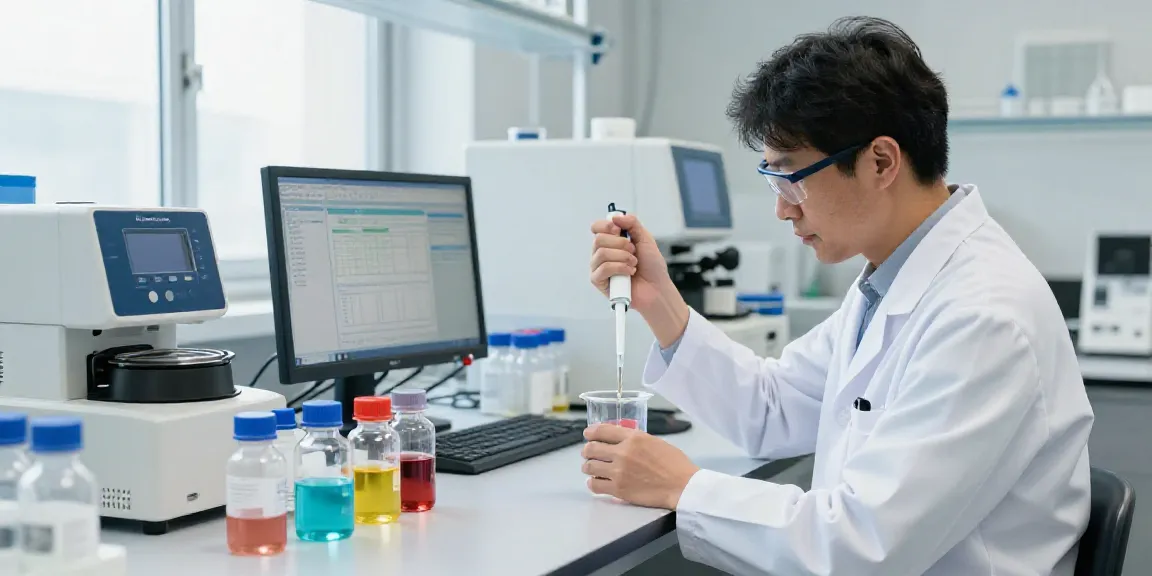
The Science of Peptides
What are Peptides?
Peptides are short chains of amino acids that serve as the building blocks of proteins. Typically, they consist of 2 to 50 amino acids linked together by peptide bonds. These biological molecules play a crucial role in various physiological functions within the body, including hormone regulation, immune responses, and cellular communication. Their classification primarily depends on their size and structure, distinguishing them from larger proteins.
Types of Peptides
Peptides can be generally classified into several categories based on their functionalities and structures:
- Signaling Peptides: These peptides facilitate communication between cells and help regulate biological processes.
- Neuropeptides: They are crucial in transmitting signals in the nervous system, influencing mood, pain perception, and stress responses.
- Antimicrobial Peptides: Often found in the immune system, these peptides protect the body by inhibiting the growth of bacteria and viruses.
- Hormonal Peptides: These include insulin and growth hormone, regulating various metabolic functions.
Importance of Peptide Structure
The three-dimensional structure of a peptide affects its function significantly. A peptide's conformation, which is determined by the sequence of amino acids and interactions within the molecule, plays a critical role in its biological activity. For instance, the spatial arrangement allows peptides to bind to specific receptors, making them effective in various therapeutic applications. Understanding the structure-function relationship in peptides is essential for optimizing their efficacy in research and medical treatments.
Peptide Synthesis Techniques
Solid-Phase Peptide Synthesis
Solid-phase peptide synthesis (SPPS) is a widely used method for the synthesis of peptides. It involves the attachment of the carboxyl terminal of the peptide to a solid resin. Synthesizing the peptide occurs step-by-step while the growing chain is anchored to the resin. This technique offers several advantages, including ease of purification and the ability to automate the synthesis process, leading to higher yields.
Liquid-Phase Peptide Synthesis
Liquid-phase peptide synthesis is another method where the peptide is synthesized in a solution rather than on solid support. This approach is often used for longer peptides or when SPPS is less effective. Liquid-phase synthesis allows for better access to reactants, leading to potentially higher purities. However, it may involve more complex purification processes thereafter.
New Innovations in Peptide Synthesis
Recent advancements in biotechnology and chemical engineering have led to innovative techniques in peptide synthesis, such as microwave-assisted synthesis and extended solid-state approaches. Microwave-assisted synthesis significantly reduces synthesis time and increases yield. Additionally, automated synthesis machines streamline the process, improving efficiency while minimizing human error. Such innovations are pivotal for producing complex peptides, such as those utilized in research surrounding amc peptide.
Applications of Peptides in Research
Therapeutic Uses of Peptides
Peptides have gained traction in the pharmaceutical industry due to their versatility and specificity in therapeutic applications. They serve as the basis for a range of drugs used to treat conditions such as diabetes, cancer, and cardiovascular diseases. One major advantage of peptide-based therapies is their ability to interact with cellular pathways with high specificity, reducing potential side effects compared to traditional small molecule drugs. Furthermore, the low immunogenicity of peptides contributes to their attractiveness in drug formulation.
Peptides in Diagnostics
Peptides are increasingly used in diagnostic assays due to their specificity and affinity for target biomarkers. They can be employed in various clinical settings, from cancer detection to metabolic disorders. Additionally, advancements in peptide-based biosensors enable rapid and accurate detection, enhancing diagnostic efficacy. By utilizing peptides as detection agents, researchers can improve sensitivity and specificity in assays, leading to better patient outcomes.
Research Utilizing amc peptide
The amc peptide has been the subject of extensive research due to its unique properties and potential applications in biomedicine. Its robust structure and functionality make it an attractive candidate for drug development and therapeutic interventions. Research has demonstrated that it may play a vital role in cell signaling and modulation of physiological processes, underscoring the need for continued exploration in clinical applications.
Challenges in Peptide Research
Stability and Solubility Issues
One of the major challenges in peptide research is the stability and solubility of peptides. Many peptides are susceptible to hydrolysis and oxidation, which can impact their efficacy and shelf life. Furthermore, poor solubility in physiological conditions can limit their therapeutic use. To combat these issues, researchers explore various strategies, such as altering the peptide sequence, employing protective groups during synthesis, or using formulation techniques to enhance stability and solubility in clinical applications.
Regulatory Hurdles
Peptide-based therapeutics are also subject to rigorous regulatory scrutiny. The pathway to market approval can be lengthy and expensive, as these drugs need to meet strict safety and efficacy standards set by regulatory agencies. Engaging with regulatory frameworks early in the development process and understanding guidelines can aid researchers and developers in successfully navigating these challenges.
Cost Considerations
While peptide therapies offer promising benefits, the cost of synthesis and production can be significant, often limiting their accessibility. Factors such as the complexity of peptide synthesis, purification processes, and scale-up production contribute to high costs. Innovations in synthesis technologies and more efficient production methods are essential for bringing down costs and making peptide therapeutics more widely available.
Future Trends in Peptide Research
Emerging Technologies
The landscape of peptide research is continuously evolving, with emerging technologies driving advancements in the field. Innovations such as CRISPR gene editing and artificial intelligence used in peptide design are gaining traction. These cutting-edge tools allow researchers to streamline the discovery process, optimizing peptide sequences for desired functions while reducing time and resource investment. The integration of bioinformatics tools also facilitates the analysis and identification of novel peptide candidates.
Potential of amc peptide
As research surrounding amc peptide progresses, it is becoming increasingly apparent that its potential applications are vast. Its unique biochemical properties suggest a promising future in therapeutic interventions, particularly in targeted drug delivery systems and as a biomarker for disease. Continued research may reveal novel functions that could revolutionize treatment methodologies across diverse medical fields.
Market Trends in Peptide Applications
The demand for peptide-based therapeutics and diagnostics continues to grow, reflecting an upward trend in the global market. As aging populations and chronic disease prevalence rise, the need for novel therapeutic solutions becomes more pressing. Market analysts predict robust growth due to innovations in peptide synthesis, research advancements, and enhanced understanding of peptide biology. This holds great promise for both the scientific community and the pharmaceutical industry.
Frequently Asked Questions
What are the main benefits of peptide therapy?
Peptide therapy offers specificity, low immunogenicity, and reduced side effects compared to traditional drugs. Peptides can target specific biological pathways, enhancing therapeutic effectiveness.
How is the stability of peptides improved?
Stability can be enhanced by altering the peptide sequence, using protective groups during synthesis, and formulating peptides with stabilizing agents.
What are the common uses of peptides in diagnostics?
Peptides are used in diagnostics for detecting biomarkers in diseases like cancer and metabolic disorders, improving specificity and sensitivity in assays.
Why are peptide synthesis costs high?
Synthesis costs are influenced by the complexity of the peptides, purification methods, and the scale of production, making efficient techniques important for affordability.
What future trends are shaping peptide research?
Emerging technologies like CRISPR and AI-driven peptide design are transforming research landscapes, facilitating faster discovery and optimization of peptide candidates.