Understanding Peptide Stability
Peptides are short chains of amino acids that play a critical role in various biological processes and therapeutic applications. Their stability is paramount for researchers who rely on these compounds for in vitro studies. Understanding how peptides are stored and reconstituted is essential for ensuring their efficacy and reliability in research settings. As we delve into the intricacies of peptide storage, we will explore the best practices and methodologies necessary to maintain peptide integrity over time.
What are Peptides and Their Importance in Research?
Peptides are fundamental components in biochemistry, serving as building blocks for proteins, and are involved in signaling pathways that regulate physiological functions. In research, peptides are utilized in a variety of applications, including drug development, diagnostics, and synthetic biology. Their ability to mimic natural proteins makes them a valuable resource for scientists aiming to understand complex biological mechanisms or develop new therapeutic strategies.
Factors Affecting Peptide Stability
The stability of peptides can be influenced by several factors, including temperature, light exposure, and the presence of solvents. For example, many peptides are sensitive to degradation when exposed to high temperatures or bright light. Furthermore, the choice of solvent used during the reconstitution process can also impact peptide stability. Understanding these factors is crucial for researchers to develop effective storage strategies.
Common Misconceptions About Peptide Storage
One prevalent misconception is that all peptides can be stored at room temperature without any adverse effects. However, this is far from the truth. Most peptides require specific storage conditions to prevent degradation. For instance, lyophilized peptides should typically be kept in a cool, dry, and dark environment to maintain their stability.
Best Practices for Storing Lyophilized Peptides
Proper storage of lyophilized peptides ensures their long-term stability and effectiveness. When exploring options, how peptides are stored and reconstituted can significantly affect their performance in experiments. Here are some best practices to follow:
Optimal Temperature and Environment for Storage
The ideal storage temperature for lyophilized peptides is typically below -20°C. This temperature range helps to minimize the risk of moisture absorption and degradation. Additionally, storage away from light is crucial, as UV radiation can cause chemical changes that may compromise peptide integrity.
How to Use Desiccators and Vacuum Packaging
To further enhance the stability of stored peptides, researchers can utilize desiccators or vacuum packaging. Desiccators remove moisture from the air surrounding the peptides, while vacuum packaging eliminates air exposure, which can lead to oxidation and degradation. Both methods are effective in preserving the quality of lyophilized peptides over extended periods.
Labeling and Tracking Stored Samples
Proper labeling and tracking of peptide samples are essential for effective inventory management and to ensure that peptides are used within their viability period. Labels should include pertinent information, such as the peptide sequence, storage date, and expiration date. This practice helps prevent accidental use of degraded or expired samples in research applications.
Reconstitution of Peptides: Steps and Precautions
Reconstituting peptides accurately is critical for maintaining their activity and functionality. The following steps outline the proper procedure for reconstitution:
Choosing the Right Solvent for Reconstitution
The choice of solvent is one of the most significant factors in the reconstitution process. Common solvents include sterile water, saline solution, or specific buffer solutions tailored to the peptide’s needs. It's important to select a solvent that matches the requirements of the peptide in terms of pH and ionic strength to ensure optimal solubility.
Step-by-Step Guide to Proper Reconstitution
- Prepare the workspace by ensuring it is clean and free from contaminants.
- Measure the appropriate volume of solvent needed based on the peptide's specifications.
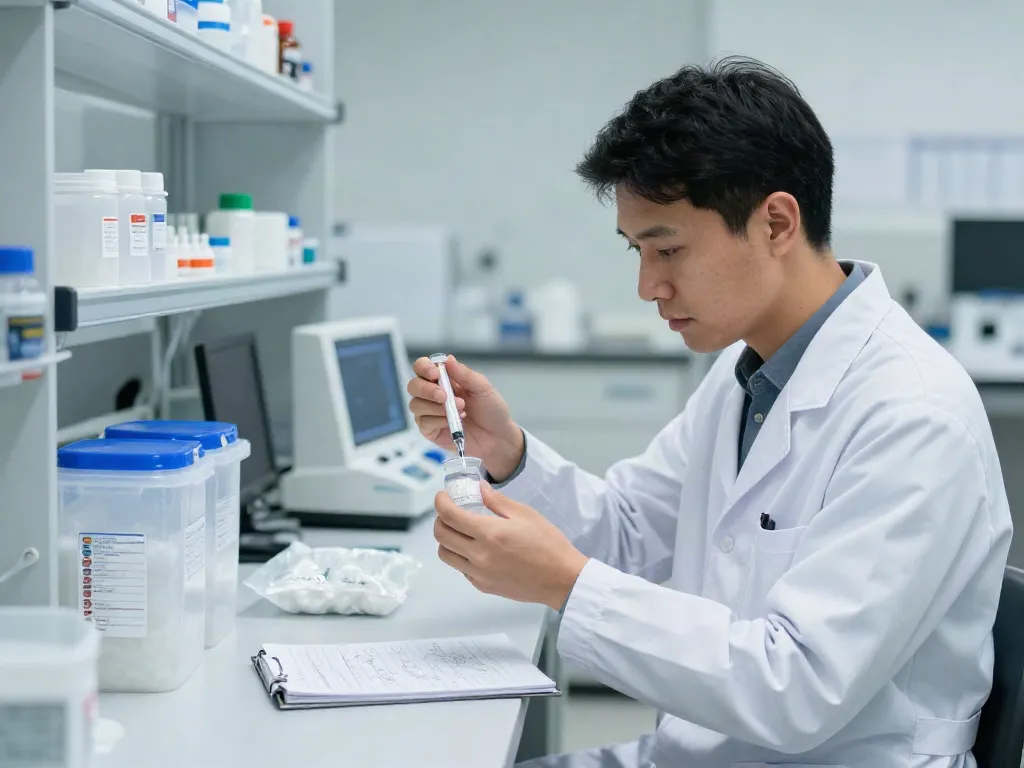
- Carefully add the solvent to the lyophilized peptide vial, avoiding any agitation that could cause foaming.
- Allow the solution to sit for a few minutes to enable complete dissolution.
- Once dissolved, gently swirl the vial to mix the solution, but avoid vigorous shaking.
Post-Reconstitution Storage Guidelines
After reconstitution, peptides should be stored at 2-8°C if they will be used within a short timeframe. However, for longer-term storage, freezing the reconstituted solution can help maintain peptide integrity. It’s generally recommended to aliquot the solution into smaller volumes to minimize freeze-thaw cycles, which can significantly affect peptide stability.
Ensuring Compliance with Safety Standards
As researchers handle peptides, it's imperative to comply with safety standards and regulations to ensure safe laboratory practices. This section outlines critical safety protocols.
Understanding Regulatory Guidelines for Researchers
Researchers must be aware of regulatory guidelines regarding the handling and storage of peptides, especially in a laboratory setting. This includes adhering to local laws and institutional policies to ensure that peptides are stored and used safely and responsibly.
Risk Management in Peptide Handling
Effective risk management strategies should be implemented to address potential hazards in peptide handling. This includes conducting risk assessments, providing training for personnel, and establishing emergency response protocols in case of exposure or spills.
Important Safety Equipment and Protocols
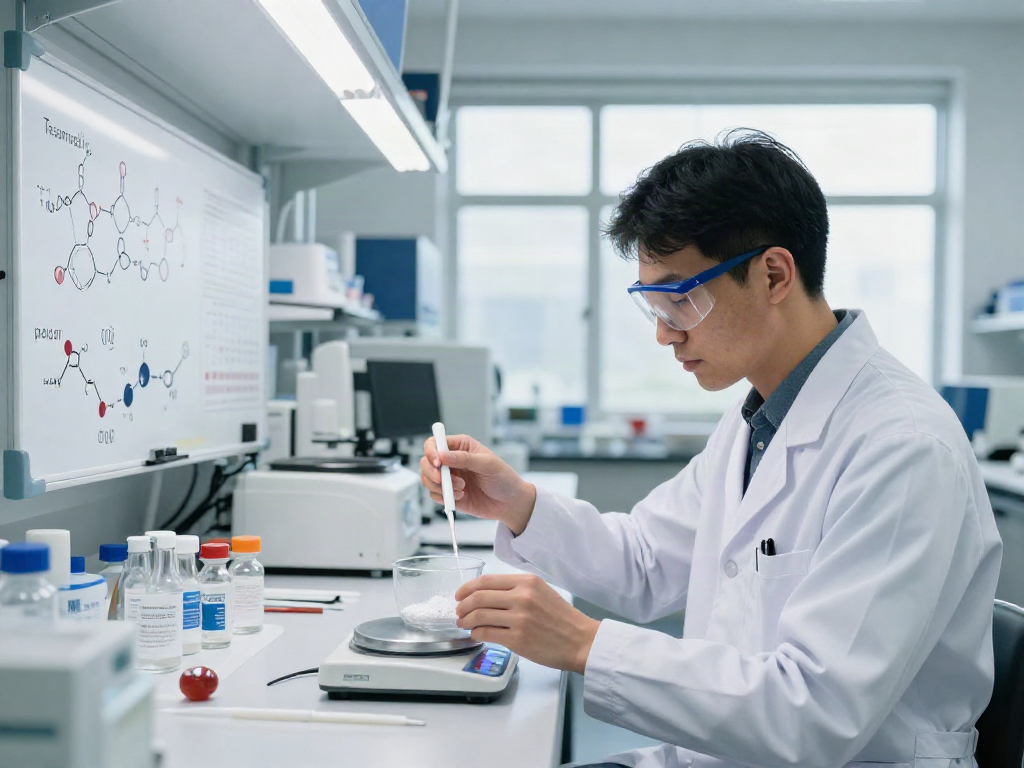
Utilizing appropriate safety equipment is essential when working with peptides. Lab coats, gloves, and safety goggles should be standard attire. Additionally, researchers should always work in a fume hood or under a biosafety cabinet when handling potentially hazardous materials.
Future Trends in Peptide Research and Storage
As science progresses, the landscape of peptide research is continuously evolving. Here are some emerging trends that researchers should be aware of:
Emerging Technologies for Enhanced Stability
New technologies are being developed to enhance the stability of peptides during storage and reconstitution. For instance, the use of nanotechnology to create protective layers around peptides can help shield them from environmental factors that lead to degradation.
Predictions for Peptide Research in 2026 and Beyond
In the coming years, the peptide market is expected to expand significantly, driven by advancements in drug discovery and personalized medicine. Researchers will likely focus on optimizing peptide design and synthesis methods to create more effective therapeutic agents.
Advancements in Storage Solutions for Lab Environments
The development of advanced storage solutions, such as smart refrigerators that monitor temperature and humidity levels, will revolutionize how peptides are stored in laboratories. These innovations will help scientists maintain optimal storage conditions and ensure the integrity of their research materials over time.
How do I store my peptides after reconstituting?
After reconstitution, peptides should be stored in a refrigerator or frozen to maintain their stability. It's advisable to keep them in airtight containers to prevent exposure to moisture and contaminants.
What destroys peptides?
Peptides can be destroyed by factors such as heat, light, moisture, and improper pH levels. It is crucial to avoid exposing peptides to these conditions to ensure their longevity and effectiveness.
Do peptides go bad after 30 days?
Many reconstituted peptides have a shelf life of approximately 28-30 days when stored correctly in a refrigerator. After this period, their stability and efficacy may diminish considerably.
What happens if I don't refrigerate my peptides?
Failing to refrigerate peptides can lead to degradation, impacting their potency and reliability in research. Exposure to room temperature for prolonged periods is generally not recommended.
How can I tell if my peptides are still viable?
Viable peptides typically exhibit clear solutions free of particulates. Any signs of precipitation, turbidity, or unusual coloration may indicate degradation.