Understanding Tesamorelin Peptide
Tesamorelin, a synthetic analogue of growth hormone-releasing hormone (GHRH), has gained significant attention in the field of peptide research, particularly for its role in stimulating the release of growth hormone from the pituitary gland. This peptide is not just a compound of interest; it plays a critical role in studying the complex interactions within the endocrine system. Researchers have been exploring its potential implications, especially in relation to metabolic regulation and its impact on various hormonal pathways. When diving into the specifics, the tesamorelin peptide offers unique insights into its physiological relevance and application in scientific experimentation.
What is Tesamorelin?
Tesamorelin is a high-purity research peptide that mimics the natural GHRH, a hormone responsible for regulating human growth hormone (HGH) secretion. As a synthetic analogue, Tesamorelin has been extensively studied within laboratory settings to understand its mechanisms of action and effects on the endocrine system. Researchers utilize it primarily to promote GH release, thereby facilitating studies on growth disorders, metabolic dysfunctions, and related endocrine disorders.
Significance in Growth Hormone Research
The significance of Tesamorelin in growth hormone research cannot be overstated. Its ability to stimulate endogenous growth hormone levels makes it invaluable for understanding various conditions associated with GH deficiencies. For instance, in the context of aging and metabolic disorders, Tesamorelin's research helps elucidate its potential role in addressing age-related muscle loss and fat distribution abnormalities. Its interactions within the hypothalamic-pituitary axis are of particular interest as they can impact overall metabolic health.
Common Applications in Laboratory Settings
- Growth hormone secretion pathway studies: Tesamorelin is often applied in experiments designed to map the pathways through which GH is secreted, aiding in the understanding of both physiological and pathological conditions.
- Hypothalamic-pituitary axis investigations: Researchers use Tesamorelin to explore its effects on the hypothalamic-pituitary axis, a central regulator of hormonal balance within the body, particularly in the regulation of stress and growth hormones.
- Endocrine signaling models: It serves as a benchmark in experiments targeting various endocrine signaling mechanisms, thereby facilitating a deeper understanding of hormone interactions.
- Metabolic regulation frameworks: Tesamorelin is incorporated into studies focusing on metabolism, especially regarding lipid profiles and overall energy regulation in model organisms.
Key Features of Tesamorelin
High-Purity Research-Grade Development
The Tesamorelin peptide is manufactured under strict quality control standards to ensure its high purity and effectiveness in research applications. With a purity level that meets research-grade specifications, Tesamorelin guarantees reliable results in experimental settings, which is crucial for obtaining authentic findings in scientific investigations.
Manufacturing Standards and Quality Control
Manufacturers of Tesamorelin adhere to rigorous quality control protocols including High-Performance Liquid Chromatography (HPLC) and Mass Spectrometry analysis. These procedures ensure that each batch maintains a standard level of quality, thus eliminating variability that could compromise research outcomes. The attention to detail in the manufacturing process allows researchers to focus on their studies without concern about the integrity of the compounds used.
Unique Chemical Properties of Tesamorelin
Tesamorelin is characterized by its structural similarity to natural GHRH, which enhances its binding affinity to GHRH receptors. This unique property allows Tesamorelin to effectively activate signaling pathways that promote the release of growth hormone. Furthermore, its stability in lyophilized form makes it suitable for storage and transport, ensuring that it retains its efficacy until reconstituted for research use.
Storage and Handling Guidelines
Optimal Storage Conditions for Stability
Proper storage of Tesamorelin is critical for maintaining its stability and potency. It is recommended to store the lyophilized powder at refrigerated temperatures between 2-8°C. For long-term preservation, researchers may opt to freeze the product at -20°C; however, precautions must be taken to avoid repeated freeze-thaw cycles which can degrade the peptide.
Reconstitution Protocols for Laboratory Use
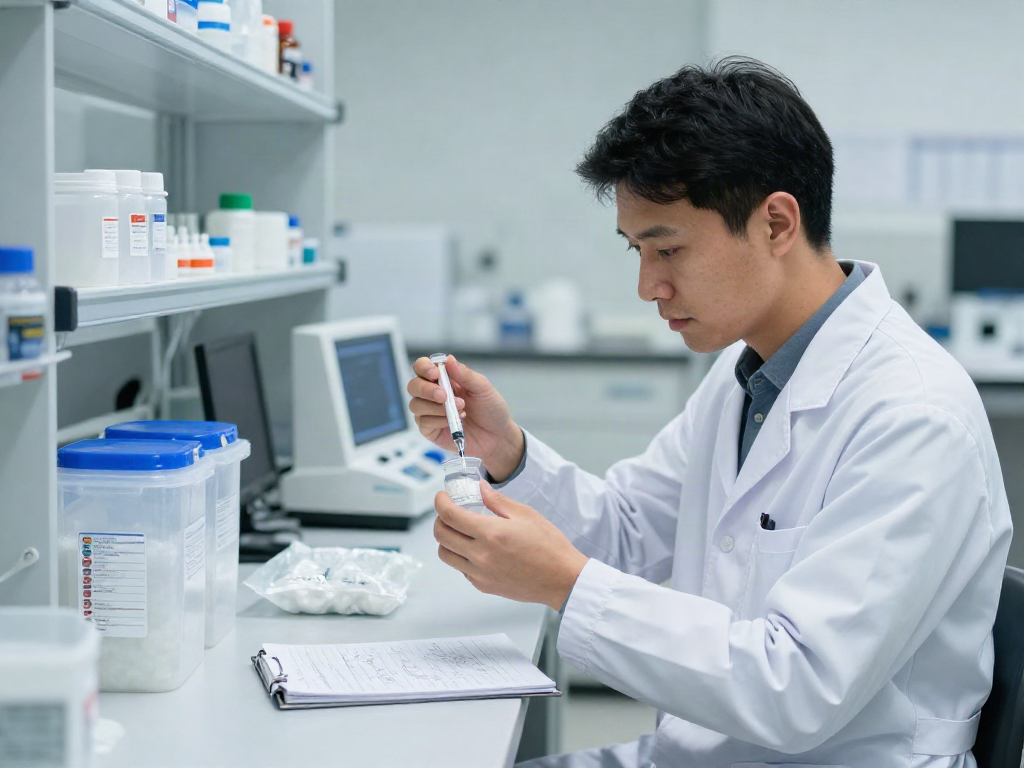
Before use, Tesamorelin must be reconstituted with a sterile laboratory-grade solvent. Following the guidelines for reconstitution is essential to ensure accurate dosing and to maintain the peptide's integrity. It is advisable to perform this step in a controlled environment following institutional protocols to avoid contamination.
Best Practices in Handling Tesamorelin
When handling Tesamorelin, researchers should always employ sterile techniques to prevent any risk of contamination. Each vial should be inspected for any signs of tampering, and it is crucial that handling is done by trained professionals familiar with laboratory protocols. Proper laboratory attire, including gloves and lab coats, should be worn at all times during interactions with the peptide.
Research Applications and Protocols
In Vitro Studies Using Tesamorelin
In vitro studies leveraging Tesamorelin are numerous, often focusing on its effects on human cell lines to observe GH release patterns and cellular responses. These studies typically measure various parameters such as cell viability, metabolic activity, and hormone secretion levels, providing vital data for further research into clinical applications.
Experimental Models for GHRH Pathway Investigation
Researchers utilize various experimental models in conjunction with Tesamorelin to dissect the GHRH signaling pathway. By implementing rodent models or cellular assays, scientists can explore the mechanisms through which Tesamorelin stimulates growth hormone release, allowing for the mapping of potential therapeutic targets in metabolic and growth disorders.
Case Studies on Endocrine Signaling Analyses
Several case studies have highlighted the effectiveness of Tesamorelin in understanding complex endocrine signaling pathways. These analyses often reveal interaction dynamics between multiple hormones and feedback mechanisms, thus providing a clearer picture of homeostasis and hormonal balances.
Future Trends in Peptide Research
Emerging Research Focus Areas for Tesamorelin
The future of Tesamorelin research looks promising, with emerging areas including its potential applications in age-associated metabolic disorders and obesity. As obesity rates continue to rise globally, understanding how Tesamorelin can influence fat distribution and tissue metabolism may present new therapeutic avenues.
Technological Innovations Impacting Peptide Studies
Advancements in biotechnology and analytical techniques are set to enhance peptide studies significantly. Techniques such as CRISPR gene editing and advanced imaging allow researchers to visualize the effects of Tesamorelin in real time and provide insights that were previously unattainable, making future studies more robust and informative.
Predictions for Tesamorelin Applications in 2026
By 2026, it is expected that Tesamorelin will have expanded applications not only in clinical studies but also in personalized medicine, especially for metabolic health. As more is understood about individual responses to hormonal therapies, the tailored use of Tesamorelin could lead to improved outcomes in conditions such as insulin resistance and fat distribution anomalies.
What does tesamorelin do as a peptide?
Tesamorelin stimulates the production and release of growth hormone by mimicking natural GHRH. Its primary function involves enhancing the release of GH from the anterior pituitary gland, which can influence various metabolic processes, including fat metabolism and muscle growth.
How long does tesamorelin take to lose belly fat?
While individual responses may vary, preliminary studies have suggested that individuals may start to notice changes in body composition, particularly reductions in visceral fat, within weeks to months of consistent Tesamorelin administration.
What are the risks of taking tesamorelin?
As with any peptide, potential risks associated with Tesamorelin usage include allergic reactions, injection site reactions, or changes in glucose metabolism. It is crucial that any studies involving Tesamorelin are conducted under stringent laboratory conditions and monitored closely.
Is it okay to take tesamorelin every day?
Daily administration of Tesamorelin is typically reserved for controlled studies under professional guidance. It is imperative that usage is limited to research settings, where dosage and timing can be accurately monitored to evaluate its effects comprehensively.